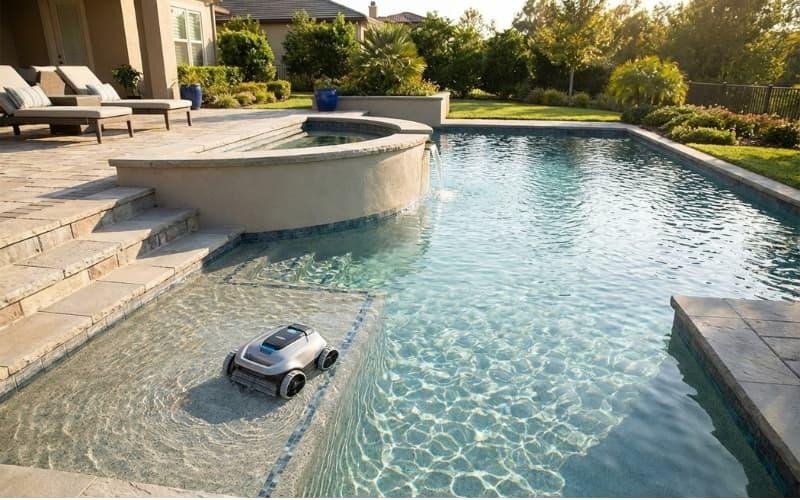
Pool cleaning is not only about removing debris. It is also about how easily a homeowner can manage different parts of the pool without turning maintenance into a complicated routine. That is one reason cordless cleaning has gained more attention. It offers a more flexible approach to regular upkeep, especially in pools that include steps, shallow zones, curved edges, tanning ledges, and other design features that can make cleaning less predictable. When homeowners think about flexibility, they often focus on movement and convenience first, and cordless cleaning fits naturally into that discussion.
Why Pool Flexibility Matters More Than Many Homeowners Expect
Not All Pool Areas Create the Same Cleaning Challenge
Many homeowners think of a pool as one cleaning surface. In reality, most pools include several different zones. The floor may collect fine dust. Corners may trap leaves. Steps may hold small debris that does not move easily. Shallow ledges can develop dirt in ways that are different from deeper areas.
Because of this, pool cleaning is rarely a one-pattern task. A cleaner that seems suitable for open floor coverage may not feel as practical when the pool includes more varied features. This is why flexibility matters. A homeowner is not only trying to clean a pool in general. They are trying to manage a pool with multiple areas that behave differently.
Cleaning Convenience Affects Consistency
Flexibility also matters because it affects whether cleaning happens on time. If the cleaning process feels awkward, heavy, or too dependent on one setup style, homeowners may delay it. Once that happens, debris has more time to settle and spread.
A more flexible cleaning approach supports consistency. It helps the owner respond to changing pool conditions without needing to turn every cleaning session into a large chore.
Cordless Cleaning Changes How Homeowners Use Their Pool Equipment
It Reduces Limits Created by Cable Management
One of the most practical advantages of cordless cleaning is that it removes the need to manage a power cable during operation. This may sound like a small detail, but it changes the overall experience. Homeowners do not have to think as much about cable reach, cable position, or how the cord may interact with the pool layout.
That simpler setup can make cleaning feel more adaptable, especially in pools with unusual shapes or multiple sections. The owner can focus more on the cleaning task itself and less on managing the equipment around it.
It Supports Easier Use Across Different Zones
Flexibility is often about transitions. A pool cleaner does not only need to work in one open area. It needs to handle movement between sections that may differ in shape, depth, and debris level. A cordless approach helps because it allows the cleaning process to feel less tied to one rigid operating pattern.
For homeowners, this often means the routine becomes easier to repeat. And when a cleaning routine is easier to repeat, the pool usually stays in better condition with less manual catch-up later.
Different Pool Areas Often Need Different Types of Attention
Steps and Entry Points Collect Debris Differently
Steps and entry points are easy to overlook when evaluating pool cleaning needs. These areas often collect fine dirt, leaves, or debris brought in by swimmers. They may also have angles or shallow surfaces that behave differently from the main floor.
A flexible cleaning setup is useful here because it supports maintenance across these smaller, more detailed sections of the pool. Homeowners often notice that a pool can look clean from a distance while still holding visible dirt around the entry zone.
Shallow Ledges and Tanning Shelves Need Practical Coverage
Modern pools often include tanning ledges or shallow resting areas. These features are attractive, but they also change the cleaning pattern. Debris can settle there in a thin layer, and the area may need more regular attention than owners first expect.
In these cases, flexibility matters more than raw cleaning power alone. The cleaner should suit the real layout of the pool rather than only the easiest open section.
Curves, Corners, and Edges Create Their Own Maintenance Patterns
Straightforward pool shapes are often easier to manage. But many residential pools include curves, raised features, or corner zones where debris tends to gather. These are the areas where homeowners often see the difference between general cleaning and practical cleaning.
A more flexible approach helps support cleaner edges and more manageable trouble spots. That leads to better overall consistency, even if the pool design is more complex.
Cordless Cleaning Better Fits Modern Backyard Use
Backyard Layouts Are Not Always Simple
Pool maintenance does not happen in isolation. It is part of the whole backyard setup. Furniture, landscaping, pathways, and nearby activity all shape how easy it is to manage the space. A homeowner may not want a cleaning routine that feels difficult to organize around the rest of the yard.
This is where a cordless robotic pool cleaner can fit naturally into a more practical maintenance routine. It supports the idea that pool care should work with the backyard environment rather than create extra friction around it.
Flexible Cleaning Supports Spontaneous Pool Use
Many homeowners do not use their pool on a perfect schedule. A quick swim after work, a family afternoon on the weekend, or guests arriving with little notice can all change when the pool needs to be ready. A flexible cleaning setup helps keep the pool closer to usable condition without requiring major preparation.
That is important because the easier the cleaning process feels, the easier it becomes to keep the pool ready for ordinary life.
Flexibility Also Helps Reduce Manual Pressure
A More Adaptable Routine Feels Easier to Maintain
Homeowners often underestimate how much maintenance pressure comes from routine inconvenience. It is not always the cleaning itself that feels frustrating. Sometimes it is the setup, the extra steps, or the feeling that the process is harder than it should be.
Cordless cleaning can reduce that pressure by making the routine feel more direct. This helps the owner stay more consistent, especially during busy weeks when time and energy are limited.
Less Friction Often Means Better Long-Term Results
A pool does not have to be cleaned perfectly every day. But it does need a maintenance routine that is realistic enough to continue over time. When the process feels easier, homeowners are more likely to keep debris under control before it becomes a larger problem.
That is why flexibility matters so much in long-term pool care. It is not only a convenience feature. It can also influence the quality of routine maintenance across the season.
Homeowners Should Evaluate Pool Cleaning by Real Use, Not Just General Claims
Pool Shape and Daily Habits Should Guide the Decision
When choosing a cleaning approach, homeowners should think beyond broad claims about performance. They should ask practical questions. Does the pool have steps, shelves, or curved sections? Does debris gather in certain areas more than others? Does the owner need a system that feels easy to use often?
These questions reveal whether flexibility should play a larger role in the decision.
The Best Cleaning Setup Is the One That Fits the Pool’s Reality
A cleaner may sound impressive in general terms, but what matters most is how well it fits the real pool and the real maintenance routine. A pool with varied areas needs a solution that supports that variation. A homeowner with a busy schedule needs a process that feels manageable.
In both cases, flexibility becomes part of performance.
Flexible Cleaning Supports a More Usable Pool
Cordless pool cleaning supports greater flexibility around different pool areas because it aligns more closely with how real pools are built and how real homeowners manage them. Pools are not made of one simple surface, and maintenance is not always done under ideal conditions. Steps, ledges, corners, and shallow zones all create different cleaning needs. A cordless approach helps homeowners respond to those needs with fewer limitations and less routine friction.
In the end, that flexibility has practical value. It can make cleaning easier to repeat, reduce pressure around varied pool sections, and help the pool stay more ready to enjoy. For many homeowners, that is what matters most. A good cleaning system should not only work in theory. It should fit the actual shape, rhythm, and everyday use of the pool.