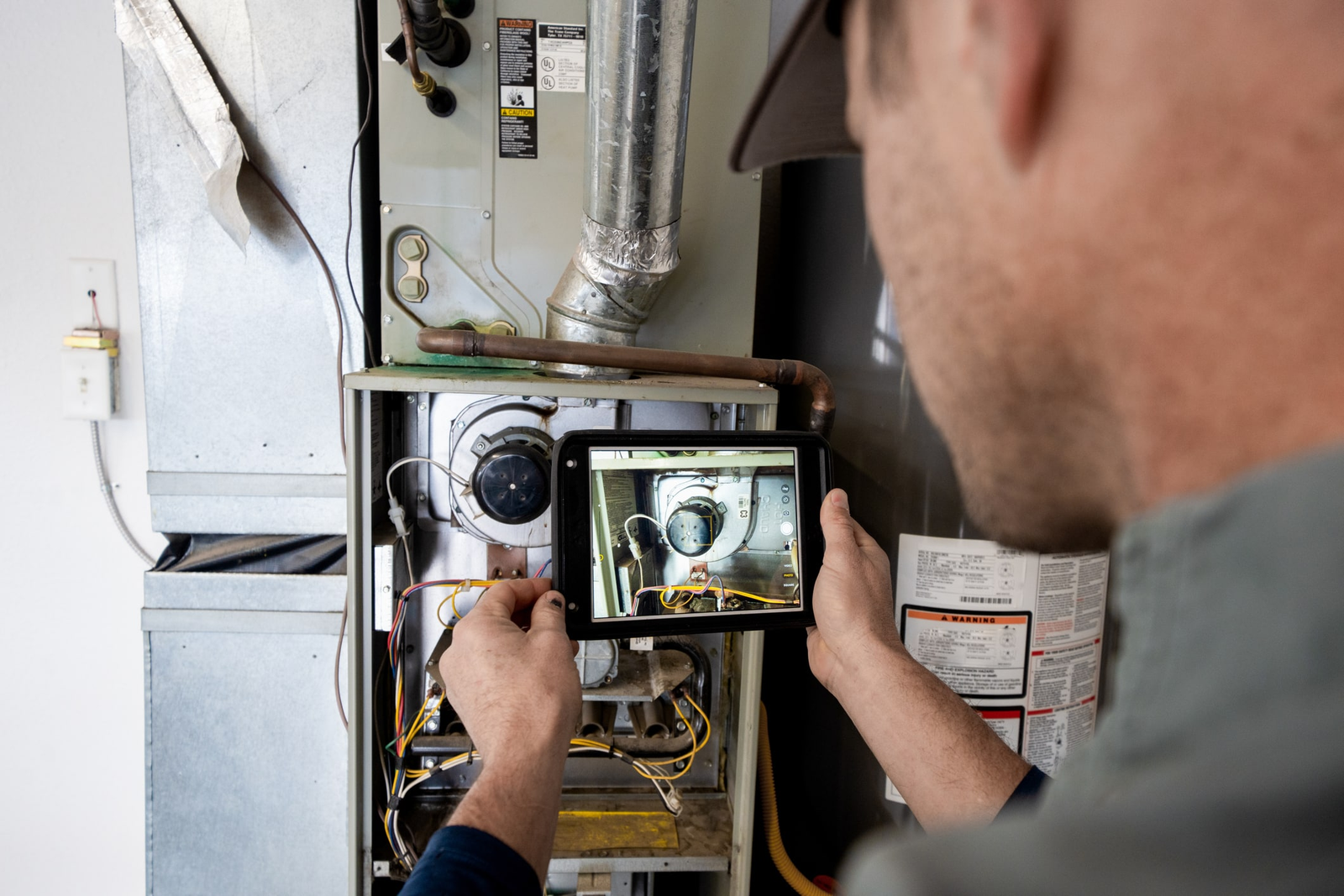
Many HVAC problems do not begin with a dramatic breakdown. They start with small signs that are easy to ignore, such as a longer cooling cycle, a faint noise, weak airflow, or a slight rise in energy use. Because the system often continues running, homeowners may assume the issue is minor or temporary. That is exactly why routine HVAC service matters. A service visit can uncover wear, dirt buildup, loose electrical parts, drainage issues, or airflow restrictions before they lead to more extensive damage. Catching those early warning signs can preserve comfort, reduce unnecessary strain, and help homeowners avoid repairs that become far more costly over time and with continued use.
What routine service can reveal
- Small Changes Usually Point to Bigger Strain
HVAC service helps catch expensive problems early because technicians are trained to spot changes homeowners might not recognize as warning signs. A clogged filter may seem minor, but if it restricts airflow long enough, it can force the blower and other components to work harder than they should. A slightly dirty coil may not stop cooling immediately, yet it can reduce heat transfer and make the system run longer every day. Loose electrical connections, weak capacitors, and early contactor wear can also remain hidden while the unit still appears functional. During routine service, these conditions can be identified before they create a no-cool or no-heat situation. That is the real value of preventive attention. The system may not look broken from the outside, but hidden stress often builds long before a full failure happens. By checking operating behavior, airflow, electrical response, and visible wear, a technician can catch a problem in its early stages, when repair is often simpler, less disruptive, and easier on the homeowner’s budget than waiting for the system to stop altogether.
- Service Visits Catch the Problems That Quietly Spread
One reason HVAC service is so useful is that small mechanical problems rarely remain isolated. A worn belt, dirty blower assembly, blocked drain line, or weak motor does not affect just one part of the system forever. Over time, that strain can spread to other areas, creating a chain reaction of performance loss and repair needs. In homes across places like Folsom, CA, homeowners often notice the expensive part only after the system starts cooling unevenly, shuts off unexpectedly, or struggles during peak weather. By that point, the original issue may have already affected runtime, energy efficiency, and the condition of nearby components. Routine service interrupts that pattern. A technician can inspect the condensate drain before water backup causes moisture damage, clear debris before airflow drops further, and test electrical parts before a hard-start condition damages more costly equipment. This matters because HVAC systems are connected systems, not isolated parts working alone. When one area begins operating under strain, the rest of the unit often has to compensate. Service appointments help identify those quiet imbalances before they spread into broader, more expensive repair problems.
- Preventive Service Protects More Than the Equipment
Routine HVAC service is not only about the unit’s mechanical life. It also protects the homeowner from secondary costs that often accompany neglected system issues. A small airflow problem can increase monthly utility bills for weeks or months before anyone realizes what is happening. A minor drainage issue can lead to water around the unit, damage to surrounding materials, or mold-related concerns if left unaddressed for long enough. Weak heating or cooling performance can also put pressure on families by making certain rooms uncomfortable, especially during severe weather when the system is needed most. During a service visit, technicians do more than check whether the unit turns on. They evaluate how it is operating, whether it is cycling properly, whether temperature output seems normal, and whether any part of the system is showing signs of decline. That bigger picture helps homeowners act while they still have options. Instead of facing an emergency call, last-minute parts replacement, or several connected repairs at once, they can often address a single issue while it is still manageable. In that way, routine service protects comfort, cost control, and household stability simultaneously.
Small Repairs Are Easier Than Big Failures
HVAC service helps catch small problems before they become expensive by finding stress early, before the system has spent weeks or months compensating for it. Dirty components, faulty electrical parts, clogged drains, restricted airflow, and subtle performance changes can all escalate into larger issues if they one not checked in time. A service appointment gives technicians the chance to spot those warning signs while the repair is still focused and manageable. That can save money, reduce disruption, and lower the risk of a sudden failure during the hottest or coldest time of year. In many homes, early service is what keeps a small fix from turning into a major bill.