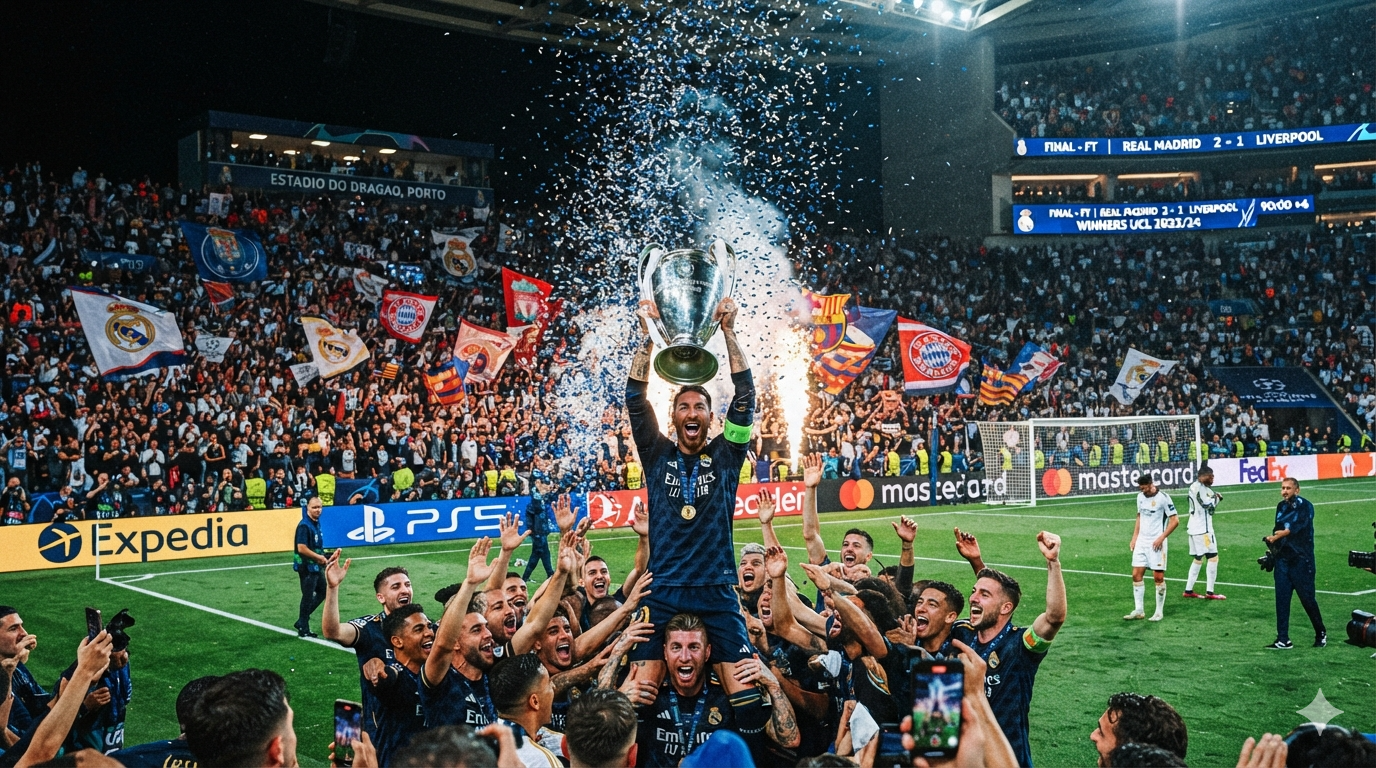
The UEFA Champions League is one of the most famous football competitions in the world. Europe’s best clubs compete for one of the sport’s biggest trophies. The tournament brings together elite players, historic clubs, and millions of fans. Every season creates new stories, rivalries, and memorable matches. The competition also gives clubs a chance to test themselves against the strongest teams in Europe. From the group stage era to the modern league format, the tournament has changed over time. Yet, its main goal remains the same. Clubs want to become European champions. For fans, the competition offers high-quality football and dramatic moments. A single goal can change an entire tie. That makes every match exciting to watch. This guide explains the tournament in simple language. It covers its history, format, teams, trophy, records, and importance.
What Is the UEFA Champions League?
The UEFA Champions League is a European club football competition organized by UEFA. UEFA stands for the Union of European Football Associations. The tournament features leading clubs from UEFA member countries. Qualification depends mainly on domestic league performance. Stronger football nations usually receive more places. Smaller leagues can also send clubs through qualifying rounds. The competition has a long history and a huge global audience. It was previously known as the European Champion Clubs’ Cup. The modern name was introduced in 1992. Since then, the tournament has grown into a major sporting event. Clubs compete through several stages before reaching the final. The final is usually played at a major European stadium. Winning the trophy is a major achievement for any club. It can also shape a club’s history for generations. Fans remember European victories long after individual league seasons end.
How the Champions League Started
The history of the UEFA Champions League began in the 1950s. The original competition was called the European Champion Clubs’ Cup. It was created to bring national champions together. Real Madrid became the first dominant force in the competition. The Spanish club won the first five editions. Those victories helped establish European club football as a major attraction. The tournament later expanded and became more competitive. More clubs received opportunities to enter the competition. UEFA eventually introduced the Champions League name in 1992. The format also developed over time. Clubs from several positions in domestic leagues could qualify. This created more matches between famous European sides. The competition became a major source of football entertainment. Television coverage helped its popularity grow across continents. Today, its history includes legendary teams, managers, players, and unforgettable finals. That rich history makes the tournament special for football supporters.
How the Modern Tournament Format Works
The UEFA Champions League now uses a league phase format. This replaced the previous traditional group-stage system. Participating clubs are placed into one large league table. Each club plays eight matches against different opponents. Four matches are played at home. Four matches are played away. The opponents are selected through a draw system. Clubs receive points based on their match results. A win gives three points. A draw gives one point. A defeat gives no points. Teams are then ranked using the competition rules. The highest-ranked clubs progress directly to the knockout stage. Other teams may enter a playoff round. The exact qualification process depends on their league position. This format creates more varied matchups. It also gives fans more chances to see major clubs play each other. The structure rewards consistent performances across several matches.
Champions League Qualification Explained
Qualification is an important part of the UEFA Champions League journey. Clubs usually qualify through their domestic league positions. The number of places depends on UEFA access rules. Higher-ranked national associations normally receive more direct places. Other associations may need to use qualifying rounds. These rounds can include several stages. Clubs must win their ties to continue. Qualifying matches can be difficult because teams face strong opponents. Home and away games can create extra pressure. Clubs also need careful squad planning during this period. A poor result can end a European campaign before the main competition begins. Successful qualifiers earn valuable experience and financial rewards. The qualification system also gives clubs from smaller leagues a pathway. This helps maintain a wider European football ecosystem. For supporters, qualifying rounds can provide exciting early-season football.
Which Clubs Play in the Competition?
The UEFA Champions League features many famous European football clubs. Teams from England, Spain, Germany, Italy, France, and other countries regularly compete. Clubs such as Real Madrid, Barcelona, Bayern Munich, Liverpool, Manchester City, and Paris Saint-Germain have strong European profiles. However, the tournament is not limited to the biggest names. Clubs from smaller leagues can also reach the main stage. Each season brings new teams and fresh matchups. Domestic success is usually the main route into the tournament. A club must perform well in its national competition to earn qualification. European experience can also help clubs manage difficult matches. Some teams have built reputations through repeated strong performances. Others become surprise contenders after excellent seasons. This variety makes the competition unpredictable. Fans can watch established giants face ambitious challengers. That mix is one of the tournament’s biggest strengths.
The Importance of the Champions League Trophy
The UEFA Champions League trophy represents the highest level of European club football. Winning it can transform a club’s reputation. Players often dream about lifting the trophy during their careers. Managers may also be judged by their European results. The final is watched by football fans around the world. Clubs compete throughout the season for the chance to reach that stage. The trophy also carries strong historical value. Previous winners become part of European football history. Some clubs have won the competition many times. Others are still searching for their first title. Winning requires more than talented players. Teams need tactical discipline, squad depth, strong leadership, and consistency. Injuries can also influence a club’s chances. A small mistake may decide a crucial knockout match. That pressure makes the tournament different from regular league football.
Famous Clubs and European Success
Several clubs have created remarkable records in the UEFA Champions League. Real Madrid is widely recognized as the competition’s most successful club. Its European history includes many famous teams and players. AC Milan, Liverpool, Bayern Munich, Barcelona, and other major clubs also have strong records. Each successful club has created its own European identity. Some teams rely on attacking football. Others succeed through defensive organization and tactical discipline. Great managers have also played important roles. Coaches such as Carlo Ancelotti, Pep Guardiola, and Jürgen Klopp have achieved notable European success. Legendary players have shaped the competition too. Cristiano Ronaldo has produced outstanding Champions League performances. Lionel Messi also created many memorable European moments. These names demonstrate how individual brilliance can influence major matches. However, success usually depends on the whole squad. Football remains a team sport, even at the highest level.
Why Champions League Matches Are So Exciting
The UEFA Champions League creates a special level of excitement. The strongest clubs often meet under intense pressure. A match can change quickly after one goal. Knockout games are especially dramatic because mistakes can become costly. Tactical battles also add another layer of interest. Managers must decide how aggressively their teams should attack. They also need to protect against dangerous counterattacks. Players face pressure from huge crowds and global audiences. Some matches produce late winners or remarkable comebacks. Others are decided by penalty shootouts. These moments become part of football history. The competition also brings together different football styles. Spanish teams may approach matches differently from English or Italian clubs. German and French clubs can offer different tactical ideas too. Watching these styles compete creates valuable football lessons. For many fans, that variety is the main attraction.
Champions League Fixtures and Matchdays
Following UEFA Champions League fixtures is easy for fans today. UEFA publishes official schedules and competition information. Clubs also share their match details through official channels. Matchdays usually create a strong football atmosphere across Europe. Fans follow kickoff times, lineups, injuries, and team news. Pre-match information can help supporters understand each club’s situation. The league phase provides several matches throughout the season. Knockout rounds then increase the pressure. Supporters often plan their evenings around important games. Rivalries can also create huge interest before kickoff. Some matches attract worldwide attention because of the clubs involved. Others become memorable because of unexpected results. Fans should always check official competition sources for confirmed schedules. Match times can change because of broadcasting or logistical reasons. Reliable information is especially important during busy football periods.
How Teams Prepare for European Matches
Preparation plays a major role in UEFA Champions League success. Coaches study opponents carefully before each match. They examine attacking patterns, defensive weaknesses, and set-piece routines. Players also need to understand their individual responsibilities. Physical preparation is equally important. European matches can create demanding travel and scheduling challenges. Squad rotation can help clubs manage tired players. Strong teams often have several quality options in each position. Mental preparation also matters. Players must remain focused when facing large crowds. Experienced footballers can help younger teammates handle pressure. Clubs also use analysts and performance staff to study match data. Modern football preparation is highly detailed. Small tactical decisions can influence the result. Successful teams usually combine technical ability with careful planning. This balance can become especially important during knockout rounds.
The Role of Managers and Tactics
Managers have a major influence on the UEFA Champions League. European matches often require flexible tactical thinking. A coach may change formation depending on the opponent. Some managers prefer possession-based football. Others focus on pressing, defensive structure, or fast counterattacks. Substitutions can also change the direction of a match. A fresh attacker may create a winning chance late in the game. Defensive substitutions can help protect a narrow lead. Managers must also understand the two-leg knockout format when applicable. Taking unnecessary risks can create problems. At the same time, overly defensive tactics can surrender control. Successful managers usually understand when to attack and when to remain patient. Their decisions can become especially important during tense matches. Great European campaigns often show the value of tactical intelligence. The manager and players must work together throughout the season.
Memorable Champions League Moments
The UEFA Champions League has produced countless unforgettable moments. Liverpool’s comeback against Barcelona in 2019 remains a famous example. Manchester United’s dramatic 1999 final victory is another historic moment. Istanbul’s 2005 final also became legendary because of Liverpool’s comeback against AC Milan. Real Madrid has produced several remarkable knockout comebacks in recent years. These matches show why football can change within minutes. A team can appear almost defeated and still recover. Such moments create emotional connections between clubs and supporters. They are also remembered because of the players involved. Late goals, incredible saves, and penalty drama can define entire seasons. The competition gives players opportunities to become legends. A single performance can change how fans remember a footballer. That is why Champions League history contains so many powerful stories.
How the Competition Benefits Football Clubs
The UEFA Champions League can provide major benefits beyond sporting success. Clubs receive financial rewards based on participation and performance. European exposure can also increase global interest in a team. Strong performances may improve a club’s reputation among players and sponsors. Successful clubs can become more attractive destinations for talented footballers. European matches also provide valuable experience for younger players. Playing against elite opponents can accelerate player development. Clubs can learn from different tactical systems and football cultures. However, European football also creates additional demands. Players may face more matches during an already busy season. Travel and recovery can become important concerns. Clubs need strong squad depth to manage these challenges. Financial success should also be handled carefully. Long-term planning remains important even after a successful European campaign.
Champions League and Global Football Fans
The UEFA Champions League has developed a huge international fan base. Supporters watch matches across Europe, Asia, Africa, North America, and South America. Social media has made global discussions even faster. Fans can react to goals within seconds. Football communities also share analysis, statistics, videos, and opinions online. This creates a worldwide conversation around major matches. Clubs have also built international audiences through European success. A strong Champions League campaign can introduce a team to new supporters. Players can become global stars after impressive performances. The tournament also connects different football cultures. Fans learn about clubs, cities, traditions, and playing styles. This international reach makes the competition commercially powerful. Yet its sporting identity remains central. Fans still care most about goals, results, rivalries, and trophies. That combination helps maintain its popularity across generations.
Champions League Records and Statistics
Statistics add another interesting layer to the UEFA Champions League. Records cover goals, appearances, titles, wins, and other achievements. Cristiano Ronaldo has been one of the competition’s leading goal scorers. Real Madrid has built an exceptional record of European success. Other players have created impressive appearance and scoring records. Statistics can help explain long-term performance. However, numbers do not tell the entire story. A player’s influence can include assists, defensive work, leadership, and tactical intelligence. Team statistics can also be affected by different competition formats. Therefore, fans should consider the context behind every record. Official UEFA data remains the best source for confirmed competition statistics. Reliable statistics are especially useful for historical comparisons. They can also help fans understand how modern football has evolved. Records continue to change as new generations enter European competition.
Why Young Players Benefit From European Football
Young players can gain valuable experience from the UEFA Champions League. Playing against elite opponents can test their skills quickly. They must make decisions under intense pressure. European matches can also teach players about tactical discipline. Young footballers learn how to handle different playing styles. They experience large stadiums and high-pressure environments. These experiences can help build confidence. However, clubs must introduce young players carefully. Too much pressure can affect development. Coaches need to balance opportunity with proper support. Experienced teammates can also guide younger players during difficult moments. Some famous footballers made their European breakthroughs at a young age. Their performances helped establish long careers at the highest level. The tournament therefore serves as both a competition and a development platform. It can help reveal football’s next generation of stars.
Frequently Asked Questions
1. What is the UEFA Champions League?
The UEFA Champions League is Europe’s leading club football competition. It brings together top-performing clubs from UEFA member associations. Teams qualify through their domestic league performance or qualifying rounds. The competition includes a league phase and knockout stages. The final decides the European club champion. Winning the trophy is considered one of the biggest achievements in professional football.
2. Which club has won the Champions League the most?
Real Madrid has won the European Cup and Champions League more times than any other club. Its success began during the early years of the competition. The club has continued to compete strongly across different football eras. Its European record includes many famous players, managers, and memorable finals.
3. How many matches does each team play in the league phase?
Under the current league-phase format, each participating team plays eight matches. Four games are played at home. Four are played away. Opponents come from different pots in the draw. Teams collect points across these matches. Their final rankings determine their route into the knockout stages.
4. Can clubs from smaller countries qualify?
Yes, clubs from smaller football associations can qualify. They may need to enter earlier qualifying rounds. Their path can include several difficult ties. Success requires strong performances over multiple matches. Qualifying gives these clubs valuable European experience. It also helps make the competition more diverse.
5. Why is the Champions League so important?
The tournament combines elite football, global attention, history, and major financial rewards. Clubs want the trophy because it represents European success. Players also value the chance to compete against the best teams. Strong performances can improve a club’s reputation and worldwide profile.
6. Where can fans find official Champions League information?
Fans should use UEFA’s official platforms for reliable competition information. Official sources provide fixtures, results, standings, regulations, and tournament updates. Clubs also publish confirmed team news through their official channels. Checking trusted sources helps fans avoid incorrect schedules and statistics.
Conclusion: Why the Champions League Remains Special
The UEFA Champions League remains one of football’s greatest competitions because it combines history, talent, pressure, and drama. Every season brings a new story. Established giants try to protect their European reputation. Challengers hope to create history. Young players look for their breakthrough moments. Experienced stars chase another major trophy. The modern format has changed the way clubs compete. Yet the central idea remains simple. Europe’s best clubs want to become champions. The competition also gives fans memorable nights that can last for decades. Great goals, tactical battles, dramatic comebacks, and emotional finals all add to its appeal. For anyone who enjoys football, following the tournament offers a chance to see elite club football at its highest level. Check official fixtures, follow your favorite club, and enjoy the journey from the opening matches to the final.