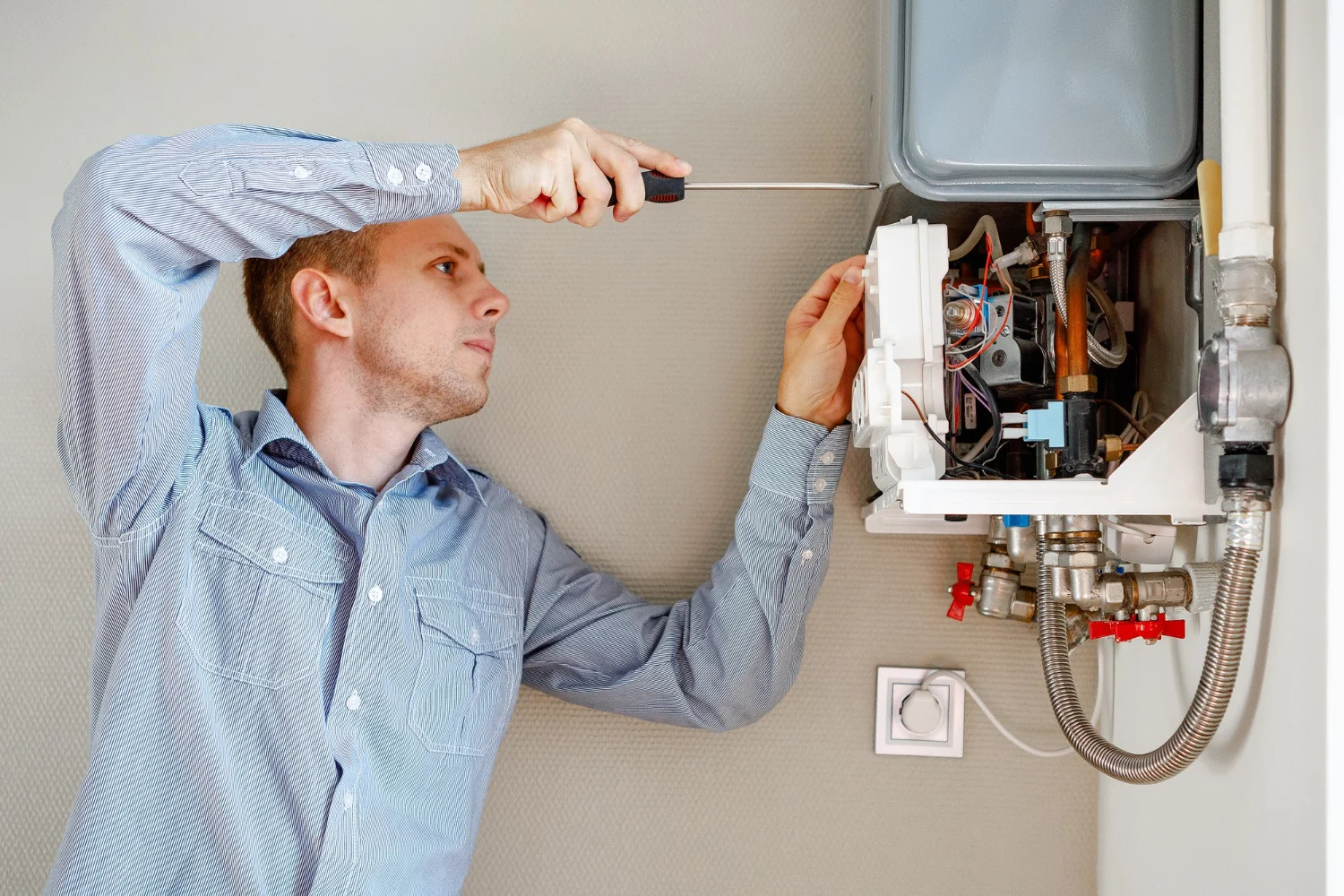
Heating systems are an essential part of any home, ensuring comfort and safety throughout the year. When a boiler begins to show signs of malfunction, homeowners often face a critical choice: should they repair the existing system or replace it entirely? Making the right decision requires a careful evaluation of the boiler’s age, efficiency, recurring issues, and overall performance. We will explore the factors that influence this choice, the advantages and disadvantages of each option, and practical guidelines for homeowners. Understanding these elements can save time, reduce costs, and ensure a reliable heating system for years to come, making informed decision-making vital to home maintenance.
Assessing the Condition of Your Boiler
Before deciding between repair and replacement, the first step is to thoroughly assess your current boiler’s condition in Middlesex. Age is a critical factor. Most boilers have a lifespan of 10 to 15 years, though regular maintenance can extend this period. If your system is approaching or has exceeded this age range, frequent breakdowns and declining efficiency are common. Additionally, identifying recurring problems can highlight deeper issues within the system. If your boiler requires frequent repairs, the cumulative cost can quickly approach or exceed the expense of a new unit. Other indicators include strange noises, leaks, uneven heating, or rising energy bills. These signs suggest that the boiler may no longer operate efficiently and might benefit more from replacement than ongoing repairs. Consulting a qualified heating technician can clarify whether the system’s underlying issues can be resolved or indicate the need for a new installation.
Understanding the Cost Implications
Financial considerations play a significant role in the repair versus replacement decision. Repairing a boiler often involves a lower immediate cost, making it a tempting short-term solution. Minor repairs, such as replacing a valve or a sensor, can extend the system’s functionality at a fraction of the price of a new unit. However, if repairs become frequent, the long-term cost can outweigh the benefits. Replacement, while more expensive initially, offers long-term advantages, including improved energy efficiency and reduced maintenance expenses. Modern boilers are designed to consume less fuel and operate more efficiently than older models, translating into significant savings on utility bills over time. Homeowners should weigh the immediate repair costs against potential long-term savings and reliability when making a decision, taking into account both budget constraints and the system’s anticipated lifespan.
Energy Efficiency and Environmental Considerations
Energy efficiency is an increasingly important factor for homeowners concerned about both environmental impact and utility costs. Older boilers tend to be less efficient due to outdated technology, wear and tear, and reduced performance over time. Replacing an aging boiler with a modern, energy-efficient model can substantially lower energy consumption and greenhouse gas emissions. Some newer boilers come with advanced features such as modulating burners, smart thermostats, and condensing technology, which can further optimize energy use.
While repairs may restore a system temporarily, they cannot significantly improve efficiency or reduce environmental impact. Homeowners seeking to minimize energy costs or carbon footprint should carefully consider whether a replacement would provide better long-term benefits than ongoing repairs. Additionally, certain utility providers offer incentives or rebates for installing energy-efficient heating systems, making replacement a financially attractive option.
Timing and Convenience Factors
The timing of boiler failure and the convenience of repair versus replacement should also influence the decision. Repairing a boiler is often faster, allowing the system to return to service quickly, which is critical during cold seasons. Emergency repairs can restore functionality within hours or a day, whereas full replacement may require scheduling, installation time, and potential adjustments to existing plumbing and electrical systems. On the other hand, replacing a boiler proactively, before repeated failures occur, can prevent emergency situations and minimize disruptions during peak heating periods. Considering personal schedule, tolerance for potential downtime, and the time required for installation can help homeowners determine which option aligns best with their lifestyle and comfort needs. Planning ahead for replacement, rather than waiting for a complete breakdown, often results in smoother transitions and less stress.
Evaluating Warranty and Manufacturer Support
Warranties and manufacturer support are essential elements when deciding between repair and replacement. Older boilers may no longer be covered under manufacturer warranties, leaving homeowners responsible for the full cost of repairs. New installations typically include manufacturer warranties and may also come with service guarantees from the installation company. These warranties can provide peace of mind, ensuring that any potential issues within the covered period are addressed without additional expense. When considering repair, it is important to check if replacement parts are readily available and supported by the manufacturer. Limited availability of parts or expired warranties may increase the cost and complexity of future repairs. Understanding these considerations ensures that homeowners make a decision that provides both reliability and long-term financial protection.
Choosing between boiler repair and replacement is not always straightforward, but understanding the key considerations can simplify the process. Assessing the system’s condition, evaluating cost and energy efficiency, and considering convenience and warranty coverage all play a role in making the right choice. Timely decision-making can prevent unexpected breakdowns, reduce long-term expenses, and improve overall home comfort. Whether opting for a repair to extend the system’s lifespan or a replacement for a more efficient, reliable solution, homeowners can take control of their heating needs with confidence. By planning proactively and considering all factors, it is possible to ensure a warm, efficient, and well-maintained home for years to come.