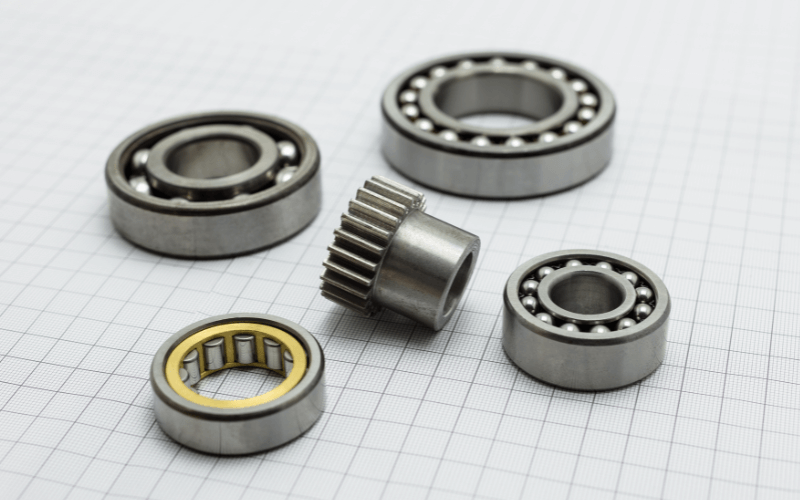
Garage doors rely on numerous moving components to operate smoothly, and rollers play a crucial role in this mechanism. Over time, these rollers endure constant friction, weight, and environmental exposure, leading to wear and tear. Ignoring the early signs of deteriorating rollers can result in sudden breakdowns, costly repairs, or even damage to the garage door itself. We will explore the key indicators of worn-out rollers, preventive measures homeowners can take, and the importance of timely intervention to maintain smooth, safe garage door operation. Recognizing these warning signs early helps prolong your garage door’s lifespan and ensures daily convenience without disruption.
Visual Signs of Roller Wear
The first indication of roller wear is often visible to the naked eye. Over time, the roller surface may develop flat spots, cracks, or chips, which interfere with smooth movement along the track. Metal rollers may begin to rust, while nylon rollers can show signs of fraying or breakage. Misaligned rollers can create uneven gaps between the door panels and tracks, which might be noticeable during operation. Homeowners seeking garage door repair in Mission should inspect rollers periodically, paying attention to discoloration, visible dents, or excessive dirt accumulation that could mask damage. Even small imperfections can increase friction and stress on the garage door system. Detecting these visual cues early allows for timely maintenance or replacement, preventing further strain on hinges, tracks, and the motorized opener. Regular inspection ensures that minor wear does not escalate into a major mechanical failure.
Audible Indicators of Degradation
Unusual sounds are another reliable way to identify worn-out rollers. Garage doors typically operate quietly when all components are in good condition. However, when rollers are beginning to fail, they often produce squeaking, grinding, or rattling noises. These sounds occur because worn surfaces increase friction between the roller and the track. Metal-on-metal scraping indicates corrosion or deformation, while a high-pitched squeal might indicate insufficient lubrication or damaged roller bearings. Tracking the onset and frequency of these noises can help homeowners anticipate when to replace rollers. Ignoring auditory warnings can accelerate wear on other garage door components, including springs and cables, leading to higher repair costs. By listening carefully and addressing unusual sounds promptly, the risk of sudden operational failure can be greatly reduced.
Performance and Movement Irregularities
A garage door that moves unevenly or jerks during operation often indicates a roller issue. Worn-out rollers can cause sections of the door to drag or stick, making opening and closing inconsistent. Doors may hesitate at certain points along the track or tilt slightly, placing uneven stress on the mechanism. The door could also feel heavier than usual due to increased resistance, indicating that the rollers are no longer allowing smooth gliding. These irregularities may worsen gradually, making it important to monitor door performance during routine use. Homeowners should also observe whether the door reverses unexpectedly or fails to stay open. Noticing these operational anomalies early provides a clear indication that the rollers require attention before they cause a complete system breakdown. Timely adjustment or replacement improves both performance and safety.
Maintenance Habits That Reveal Roller Health
Preventive maintenance routines can help identify roller issues before serious damage occurs. Cleaning the rollers and tracks removes debris that can accelerate wear. Lubricating roller bearings with a silicone-based or garage-door-specific lubricant reduces friction and highlights irregularities in movement. During maintenance, gently lifting the door by hand can reveal stiffness or binding caused by roller deterioration. This hands-on inspection allows homeowners to feel resistance points or loose rollers, which may not be apparent from visual observation alone. Additionally, monitoring how often the rollers require lubrication or cleaning can indicate a decline in roller condition. Consistent maintenance not only extends the life of the rollers but also provides early warnings of wear, enabling homeowners to plan for replacements at a convenient time rather than facing unexpected breakdowns.
Benefits of Timely Roller Replacement
Replacing worn-out rollers promptly ensures continued smooth operation and reduces the risk of damage to other garage door components. New rollers restore alignment, reduce strain on the opener, and prevent uneven wear on tracks and hinges. Timely replacement also minimizes noise and vibration during operation, contributing to a quieter and more efficient system. Delaying replacement can lead to more significant issues, such as cable snapping or door panel damage, which are costlier to repair. By recognizing the signs of wear and acting quickly, homeowners maintain safety and reliability while avoiding emergency service calls. Investing in roller replacement is a proactive approach that protects the overall garage door mechanism and preserves its functionality for years to come.
Garage door rollers may seem like small components, but they are essential for safe and reliable operation. Identifying worn-out rollers before they cause breakdowns prevents unexpected disruptions and costly repairs. By observing visual damage, listening for unusual sounds, monitoring performance irregularities, and incorporating preventive maintenance, homeowners can maintain a smoothly operating garage door system. Regular attention to the roller’s condition ensures safety, reduces stress on other components, and extends the door’s overall lifespan. Proactive replacement of worn rollers not only improves functionality but also contributes to a safer, more convenient home environment.