We will explore how refrigerant circulation forms the backbone of heating and cooling systems, with HVAC line sets acting as the pathways that make this process possible. These components may appear simple, yet they are central to how efficiently a system operates in both residential and commercial environments. By understanding how refrigerant moves through these lines, property owners and facility managers can better appreciate system performance, maintenance needs, and long-term reliability. From pressure changes to temperature regulation, every stage of the circulation depends on the integrity and design of the line sets connecting the indoor and outdoor units.
Understanding the Role of Refrigerant in HVAC Systems
Refrigerant is the working fluid responsible for transferring heat within an HVAC system, and its behavior is governed by changes in pressure and temperature as it circulates. It absorbs heat from indoor air and releases it outside, allowing interior spaces to remain comfortable regardless of external weather conditions. This process depends on a continuous cycle in which the refrigerant transitions between liquid and gaseous states. Without this transformation, heat exchange would not occur effectively, and the system would fail to regulate temperature.
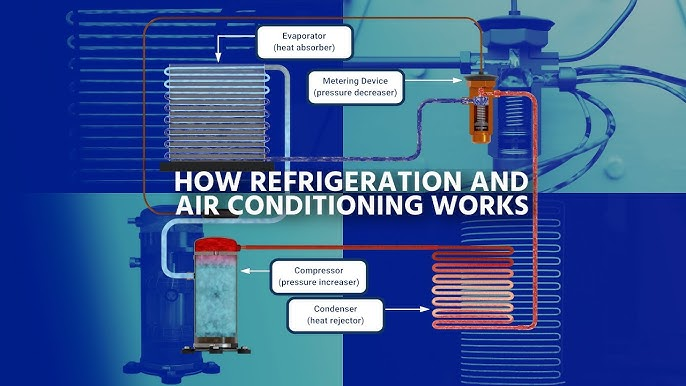
HVAC line sets play a crucial role in this cycle by carrying refrigerant between system components, including the evaporator and condenser coils. The suction line transports low-pressure vapor back to the compressor, while the liquid line delivers high-pressure refrigerant toward the expansion device. Any disruption in this movement can reduce efficiency, increase energy consumption, and place additional strain on mechanical components, making proper refrigerant flow essential for overall system health. For a deeper understanding of how these components function in real-world applications, refer to this resource https://ad.engineering/linesets/
The Structure and Function of HVAC Line Sets
HVAC line sets consist of two primary copper tubes designed to handle different phases of refrigerant flow. The larger tube, known as the suction line, carries vaporized refrigerant back to the compressor, while the smaller liquid line transports condensed refrigerant toward the indoor unit. These lines are typically insulated to maintain temperature stability and prevent energy loss during operation. Their placement, diameter, and length must be carefully considered during installation, as improper sizing can restrict flow or create pressure imbalances.
In addition to transporting refrigerant, line sets also help maintain the thermodynamic balance required for efficient heat exchange. The materials used in their construction must withstand varying temperatures, pressures, and environmental conditions without degrading over time. Proper sealing and connection points are equally important, as even minor leaks can compromise system performance and lead to refrigerant loss. By maintaining consistent flow between system components, line sets ensure that the refrigeration cycle operates smoothly and delivers reliable temperature control.
Pressure Dynamics and Heat Exchange in Circulation
The movement of refrigerant through HVAC line sets is driven by pressure differentials created by the compressor and expansion device. High-pressure liquid refrigerant travels through the liquid line until it reaches the expansion valve, where it experiences a rapid drop in pressure. This change allows the refrigerant to absorb heat as it evaporates within the evaporator coil. The resulting low-pressure vapor then travels through the suction line back to the compressor, where it is pressurized again to continue the cycle.
This constant shift between high and low pressure is essential for effective heat transfer, and line sets must be designed to accommodate these fluctuations without restricting flow. Temperature differences between the lines also help maintain efficiency, as the suction line typically carries cooler vapor while the liquid line carries warmer fluid. Insulation helps preserve these temperature differences, preventing unwanted heat gain or loss. When pressure dynamics are properly balanced, the system can achieve consistent cooling or heating output with minimal energy waste.
Installation Considerations and Long-Term Performance
The performance of HVAC line sets depends heavily on proper installation and ongoing maintenance. Factors such as routing, elevation changes, and connection integrity can all influence how efficiently refrigerant circulates. Bends or kinks in the tubing can restrict flow, while excessive length may reduce system efficiency by increasing resistance. Proper insulation is also critical, as it prevents condensation and protects against energy loss. Over time, wear and environmental exposure can affect the durability of the line sets, making regular inspection an important part of system upkeep.
Technicians often check for leaks, corrosion, and insulation damage to ensure the system continues to operate as intended. In addition, correct refrigerant charge levels must be maintained to support balanced circulation. Even a small imbalance can lead to reduced cooling capacity or increased strain on the compressor. By focusing on installation accuracy and consistent maintenance, property owners can extend the lifespan of their HVAC systems and maintain reliable indoor comfort throughout the year.
Refrigerant circulation is the driving force behind HVAC system performance, and line sets serve as the essential channels that keep this process functioning efficiently. From transporting refrigerant between components to maintaining pressure and temperature balance, these elements play a critical role in ensuring consistent heating and cooling. Understanding their function highlights the importance of proper design, installation, and maintenance in achieving reliable operation. When line sets are correctly configured and maintained, they support energy efficiency and system longevity. By recognizing their contribution, users can make informed decisions that enhance comfort, reduce operational issues, and sustain performance over time.