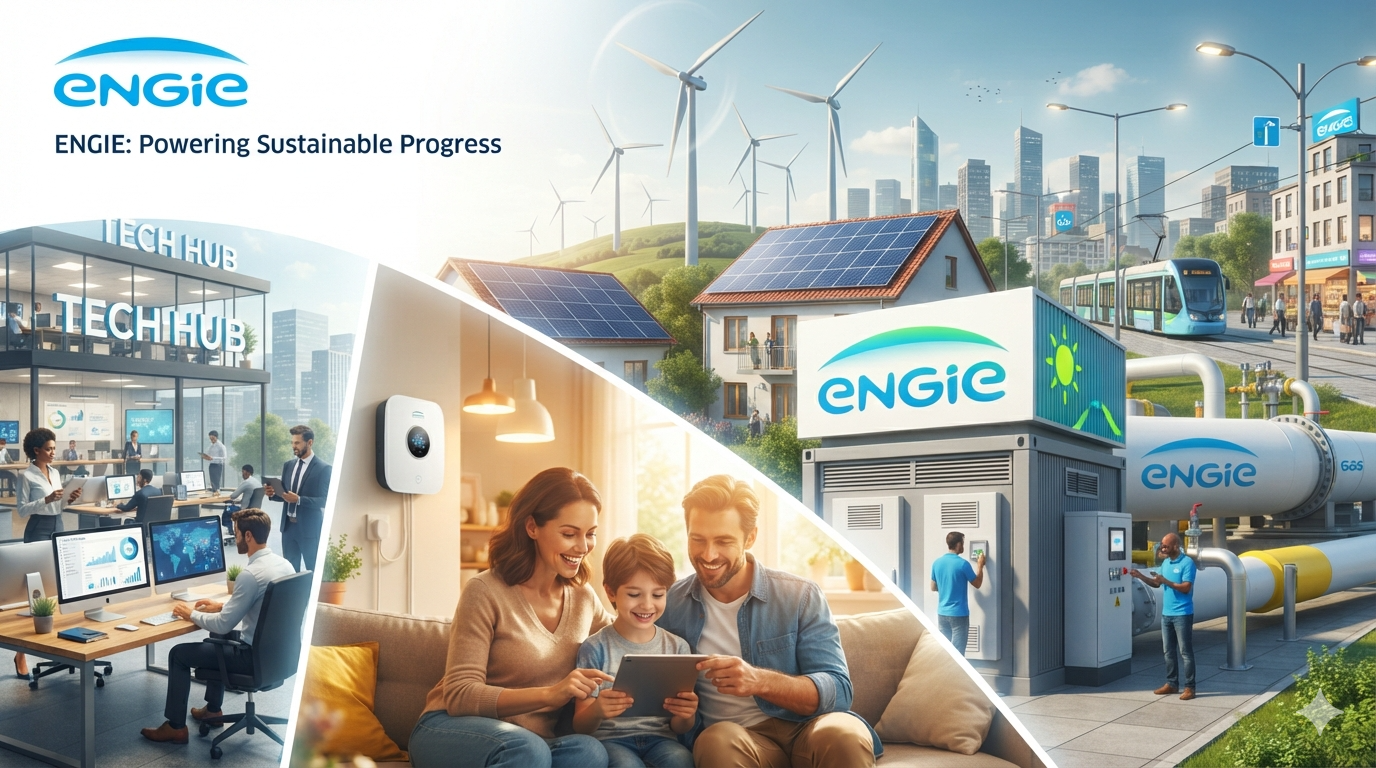
Energy is part of everyday life. We need it to heat our homes, power appliances, run businesses, and stay connected. Choosing the right energy provider can therefore make a real difference. ENGIE is a major global energy company that works across electricity, natural gas, renewable energy, and energy services. It serves households, businesses, cities, and large organizations in many markets.
What makes the company interesting is its broad approach to energy. It is not focused on only selling electricity or gas. It also works on renewable power, energy efficiency, heating systems, and other low-carbon solutions. This gives customers several ways to think about their energy needs.
This guide explains what ENGIE does, how its services work, and what customers should consider. It also covers bills, contracts, renewable energy, customer service, and energy-saving ideas. The goal is simple. You should finish this guide with a clearer understanding of the company and its energy services.
What Is ENGIE?
ENGIE is a multinational energy and services company with roots in the European energy sector. The company operates across several parts of the energy industry. Its activities include electricity generation, natural gas, renewable energy, energy infrastructure, and energy management.
The company has developed a strong presence in the energy transition. This means it supports projects that can reduce carbon emissions and improve energy efficiency. These projects can include solar power, wind energy, district heating, and other clean-energy systems.
For customers, the exact products and services can depend on their country. Energy markets have different rules, prices, contracts, and consumer protections. Therefore, a service available in one market may not be available elsewhere.
The best way to understand ENGIE is to see it as a broad energy group. It combines traditional energy activities with growing investments in renewable and lower-carbon solutions.
What Services Does ENGIE Offer?
ENGIE offers different services depending on the market and customer type. Residential customers may have access to electricity or natural gas plans. Business customers can receive more specialized energy solutions.
The company also works in areas such as renewable electricity, energy efficiency, heating, cooling, and infrastructure. Large organizations may use energy management services to understand and control their consumption.
Some customers may also be interested in solar energy or other renewable technologies. These solutions can help households and businesses reduce their dependence on conventional energy sources.
The most important point is to check the services available in your location. Energy products can change over time. Prices and contract terms can also vary.
Before choosing a plan, compare the total cost rather than looking only at a promotional rate. Check standing charges, usage rates, contract length, cancellation terms, and any additional fees.
ENGIE Electricity Plans Explained
Electricity is one of the main services associated with ENGIE in several markets. Electricity plans can differ based on location, consumption, and customer needs.
Some plans may use fixed pricing for part of the contract. Others can have variable rates that change according to market conditions or local regulations. Each type has advantages and risks.
A fixed plan can make budgeting easier because the energy rate may remain stable during the agreed period. However, customers should still read the full contract. A fixed rate does not always mean the entire bill stays unchanged.
Variable pricing can sometimes provide more flexibility. However, monthly costs may change when energy prices move.
When comparing electricity offers, look beyond the advertised headline price. Consider your annual electricity use. Also check the daily or monthly fixed charge. A plan with a lower unit price may not always produce the lowest total bill.
Understanding ENGIE Gas Services
Natural gas remains an important energy source in many homes and businesses. It can be used for heating, hot water, cooking, and industrial processes.
ENGIE operates in gas-related activities across different markets. However, available residential gas plans depend heavily on the country and local energy system.
Customers should understand how their gas bill is calculated. Bills often contain a standing charge and a usage-based charge. Taxes and other regulated costs may also apply.
Gas consumption can rise sharply during cold weather. Poor insulation can also increase heating demand. Simple improvements can therefore make a noticeable difference.
For example, sealing drafts around doors and windows can reduce heat loss. Adjusting the thermostat can also reduce unnecessary consumption. Regular maintenance of heating equipment can support safe and efficient operation.
Renewable Energy and the Energy Transition
One of the most important areas for ENGIE is the energy transition. The global energy system is moving toward cleaner and more efficient sources.
Renewable energy includes sources such as solar, wind, hydropower, and other technologies. These resources can produce electricity with lower direct carbon emissions than fossil fuels.
The company has invested in renewable generation and energy infrastructure. It also develops and manages projects connected with the changing energy system.
For consumers, renewable energy can mean several things. It may involve buying electricity from a renewable tariff. It may also involve installing solar panels or improving home energy efficiency.
Renewable energy is not just about producing clean electricity. Storage, smart grids, efficient buildings, and better energy management are also important.
This wider view helps explain why modern energy companies are expanding beyond traditional electricity and gas services.
How to Read an ENGIE Energy Bill
Energy bills can look complicated at first. However, most bills contain several basic sections.
The first important detail is your energy consumption. Electricity is commonly measured in kilowatt-hours, or kWh. Gas may use different units depending on the market and billing system.
You should also look for the unit price. This tells you how much you pay for each unit of energy. A standing or fixed charge may also appear.
Taxes and government charges can form another part of the bill. Your total amount is usually the combination of these different costs.
Check your meter readings when possible. Estimated readings can sometimes differ from your actual consumption. Providing accurate readings can help keep billing closer to real usage.
If a bill seems unusually high, compare it with previous bills. Look at both consumption and pricing. A higher bill does not always mean the energy provider increased its price. Your household may simply have used more energy.
How to Compare ENGIE With Other Energy Providers
Choosing an energy provider should not be based on brand name alone. You should compare the complete offer.
Start with your estimated yearly energy use. Then compare the unit rates and fixed charges. Next, check contract conditions and cancellation rules.
Customer service is another important factor. A low price may not feel valuable if resolving billing problems becomes difficult.
You should also consider payment options. Some plans may offer discounts or different prices depending on how customers pay.
Renewable energy choices can also influence your decision. Some consumers want a stronger focus on clean electricity. Others mainly want predictable costs.
A useful comparison table can help:
| Factor | What to Check |
|---|---|
| Electricity rate | Cost per kWh |
| Gas rate | Cost per unit |
| Standing charge | Daily or monthly fixed cost |
| Contract | Length and conditions |
| Renewable options | Clean-energy choices |
| Customer service | Support channels |
| Billing | Online and paper options |
| Payment | Available payment methods |
| Cancellation | Exit rules and fees |
| Extra services | Energy and home solutions |
The cheapest advertised rate is not always the cheapest overall option.
ENGIE Customer Service and Account Management
Good customer support matters when dealing with energy services. Customers may need help with bills, meter readings, payments, contracts, or moving home.
ENGIE provides customer support through channels that can vary by country. These may include online account tools, websites, telephone support, and other digital services.
Online account management can make routine tasks easier. Customers may be able to view bills, check usage, manage payments, or update account details.
Before contacting support, gather useful information. Have your customer number, address, recent bill, and meter information available if relevant.
Clear information can help reduce delays.
If you have a billing problem, keep records of previous communications. Save confirmation numbers and copies of important messages. This creates a useful history if the issue needs further review.
How to Save Money on Energy
Energy savings do not always require expensive upgrades. Small changes can reduce waste.
Heating is often an important area to examine. Lowering the thermostat slightly can reduce energy demand. Using heating only when needed can also help.
Lighting is another simple area. LED bulbs generally use much less electricity than older incandescent bulbs.
Appliances can also affect consumption. Avoid leaving devices running when they are not needed. Washing clothes at suitable temperatures can reduce energy use.
Home insulation can provide larger long-term benefits. Better insulation helps keep warm air inside during cold periods. It can also help keep homes cooler in hot weather.
Smart energy monitoring can make these habits easier. When people can see their consumption, they often identify waste more quickly.
The best savings plan is practical. Focus first on changes that are easy to maintain.
ENGIE for Businesses
Businesses have different energy needs from households. A small shop may need reliable electricity for lighting and equipment. A factory can require much larger amounts of energy.
ENGIE provides energy and infrastructure solutions for business customers in various markets. These can include energy management, renewable power, heating, cooling, and other services.
Businesses often care about both cost and reliability. Energy efficiency can reduce operating expenses while supporting environmental goals.
Large organizations may also track emissions and set sustainability targets. Renewable energy projects can become part of these plans.
For businesses, energy decisions should consider the entire operating picture. A lower unit price is useful, but reliability and long-term planning matter too.
Companies should review contracts carefully. They should also understand demand patterns before choosing an energy solution.
ENGIE and Smart Energy Solutions
The energy industry is becoming more digital. Smart meters, monitoring systems, and automated controls can help customers understand their energy use.
Smart energy tools can show when electricity is being consumed. This information can help identify waste and improve planning.
For businesses, digital energy management can be even more valuable. Large buildings can use monitoring systems to control heating, cooling, and lighting.
The future energy system will likely connect more devices and renewable sources. Batteries, electric vehicles, solar panels, and smart grids can work together.
This creates a more flexible energy system. Customers may eventually have more control over when and how they use electricity.
Digital tools are therefore becoming an important part of modern energy services.
Moving Home With ENGIE
Moving house can create several energy tasks. You may need to close an existing account or start a new one.
Take meter readings when leaving your old property. Keep a record of the date and readings. If possible, take a photo for your records.
At your new property, record the meter reading when you arrive. Then provide the information through the appropriate customer channel.
Check whether your existing contract can move with you. This depends on the country and contract type.
Moving is also a good time to review your energy needs. A larger home may use more energy. A smaller property may require less.
Planning these steps early can help prevent billing problems and confusion.
ENGIE and Energy Efficiency
Energy efficiency means getting the same useful result while using less energy. It is one of the simplest ways to lower waste.
A well-insulated home can need less heating. Efficient appliances can use less electricity. Smart controls can reduce unnecessary heating and cooling.
Businesses can also benefit from energy audits. An audit can identify equipment that consumes more energy than expected.
Energy efficiency can support both financial and environmental goals. Lower consumption may reduce bills. It can also reduce the amount of energy that needs to be generated.
The most useful approach is to measure first. Look at your current consumption. Then identify the biggest areas of use.
Small improvements can add up over time. Bigger projects can provide even greater long-term benefits when planned carefully.
Why Energy Contracts Need Careful Review
Energy contracts contain important details that should not be ignored. Customers should understand what they are agreeing to before signing.
Look at the contract length and pricing structure. Check whether rates can change during the contract.
Cancellation conditions are also important. Some contracts may include early termination charges.
Review payment terms and any additional services. Make sure you understand whether optional products are included.
If a promotional rate is offered, check what happens after the promotional period. A low introductory price may not last for the full contract.
Reading the full agreement takes time, but it can prevent unpleasant surprises later.
When in doubt, ask the provider to explain unclear terms before accepting the offer.
The Future of Energy Services
The energy sector is changing quickly. Renewable generation is growing, while digital technology is changing how electricity is managed.
Solar panels, wind farms, batteries, electric vehicles, and smart grids are becoming more connected.
Energy companies are also exploring ways to improve flexibility. Customers may play a bigger role by changing when they use electricity.
For example, some consumers could charge electric vehicles when electricity demand is lower. Homes with batteries may store energy and use it later.
These changes create new opportunities. They also create new challenges for energy companies and regulators.
ENGIE is part of this wider transition through its work across energy generation, infrastructure, services, and renewable solutions.
For customers, the biggest benefit may be more choice and better control over energy use.
Key Benefits and Things to Consider
There are several reasons customers may consider ENGIE. Its broad energy experience is one advantage. Its involvement in renewable energy and energy services is another.
However, no energy provider is automatically the best choice for everyone.
Availability, pricing, contracts, and customer support can vary by country. Your household’s energy use also affects the value of an offer.
Before choosing a plan, compare the total yearly cost. Review the contract carefully. Consider renewable options if they match your goals.
It is also useful to check current terms directly with the provider. Energy prices and offers can change.
A careful comparison helps you choose based on facts rather than advertising alone.
Frequently Asked Questions
1. What is ENGIE?
ENGIE is a global energy and services company. Its activities include electricity, natural gas, renewable energy, energy infrastructure, and energy efficiency solutions. Available products vary by country.
2. Does ENGIE provide renewable energy?
Yes. The company has significant activities in renewable energy. These include areas such as solar, wind, and other clean-energy solutions. Exact customer options depend on location.
3. How can I reduce my energy bill?
Start by checking your energy consumption. Improve insulation, reduce unnecessary heating, use efficient lighting, and avoid wasting electricity. Comparing energy plans can also help.
4. Is ENGIE available everywhere?
No. ENGIE operates internationally, but its customer products differ between markets. Local regulations and energy systems affect what services are available.
5. What should I check before choosing an energy plan?
Check the unit price, fixed charges, contract length, cancellation rules, payment terms, and renewable options. Compare estimated yearly costs rather than only promotional prices.
6. Can businesses use ENGIE energy solutions?
Yes. ENGIE works with business and organizational customers in various markets. Services can include energy supply, efficiency solutions, renewable energy, infrastructure, and energy management.
Conclusion
Energy choices can feel confusing, but the basics are simple. Understand how much energy you use, compare complete costs, and read the contract before making a decision.
ENGIE is a major energy group with activities spanning electricity, gas, renewable energy, infrastructure, and energy services. Its role in the energy transition also makes it relevant to customers interested in cleaner energy and better efficiency.
The right energy choice depends on your location, usage, budget, and personal priorities. Do not choose an offer based only on a headline price. Look at the full contract and expected yearly cost.
If you are considering an energy provider, take time to compare your available options. A careful decision today can make energy management easier tomorrow.