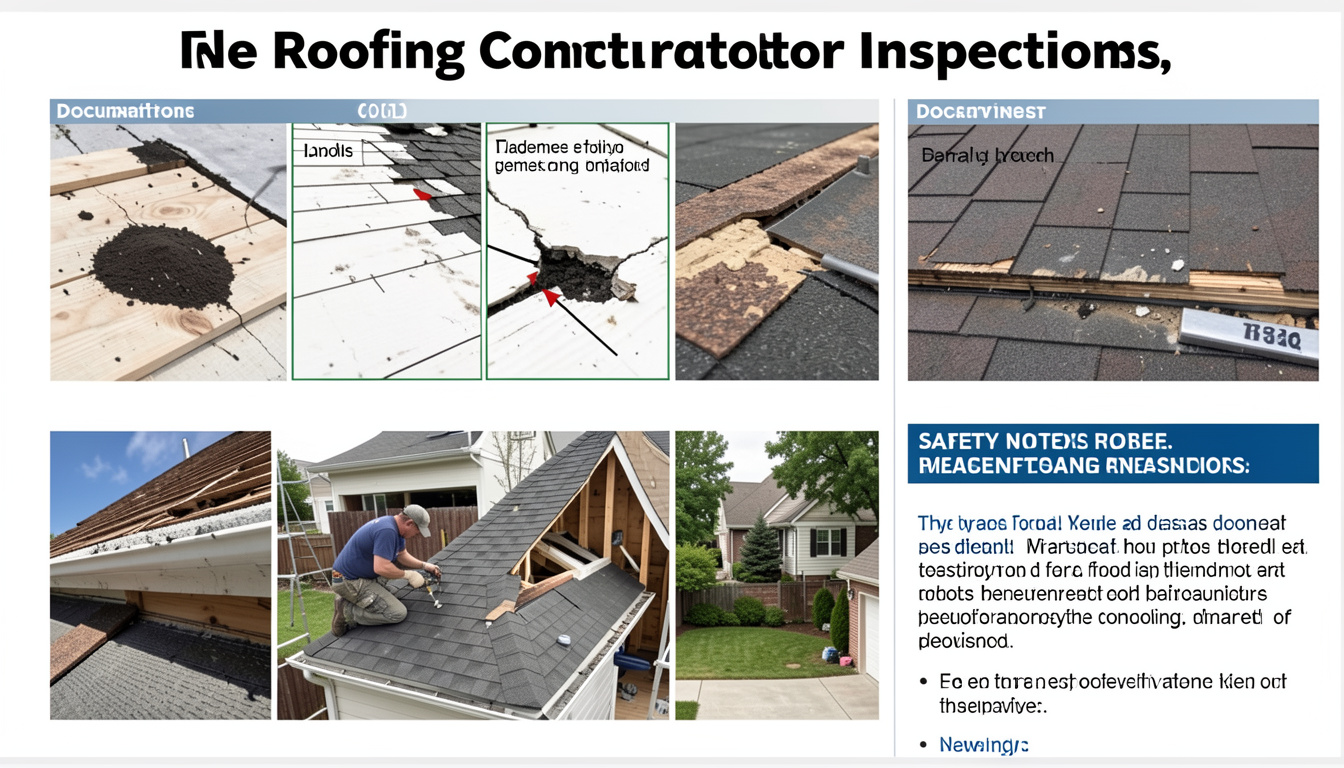
Solar panels can lower electric bills and add resilience, but the roof underneath becomes even more important once racking and wiring are installed. A roof that looks fine from the ground may still have weak spots, aging flashing, soft decking, or ventilation issues that shorten its remaining life. When solar is installed first, subsequent roof work becomes more complicated because panels must be removed and reinstalled, adding time and cost. That is why a roofing contractor inspection before installation is a practical step, not a delay. It helps confirm that the roof can support the added penetrations, handle wind loads, and remain watertight through seasonal expansion and contraction. A thorough inspection also protects warranties by documenting roof condition and identifying any repairs that should be completed before the solar crew arrives.
Why the roof check matters
- Assessing remaining roof life and surface condition
A solar-ready inspection starts by evaluating how much service life the roof likely has left, because panels are often expected to remain in place for decades. Contractors look for granular loss on shingles, curling edges, brittle tabs, exposed nail heads, and areas where algae or moss indicate moisture retention. On metal roofs, they check for loose fasteners, seam separation, coating wear, and oxidation around penetrations. Flat and low-slope systems require a different focus, including membrane condition, seam integrity, ponding patterns, and any blistering or cracking. The inspection should also include the roof plane where the panels will sit, since hidden issues in that area can be difficult to access later. If the roof has multiple layers, uneven planes, or past repairs, the contractor may recommend a targeted tear-off or reinforcement before solar hardware is installed. Roof decking condition matters as well. Soft spots can indicate moisture damage that reduces fastening strength for racking attachments. A contractor should examine attic spaces, where possible, for staining, sagging, and signs of long-term condensation. They should also identify roof areas that are nearing the end of their life, such as valleys, low-pitch transitions, and sections with heavy foot traffic from maintenance. A clear remaining-life assessment helps homeowners decide whether to repair, replace, or proceed, and it avoids the frustration of installing solar on a roof that will need replacement soon afterward.
- Flashing, penetrations, and leak prevention planning
Solar installations require roof penetrations for attachments and, sometimes, conduit, and each penetration becomes a long-term waterproofing detail. A roofing inspection before solar focuses heavily on flashing quality and the areas where water tends to concentrate. Valleys, sidewalls, chimneys, skylights, and roof-to-wall transitions should be evaluated for cracked sealants, rusted metal, missing step flashing, or poorly integrated counterflashing. The contractor should also review how the gutters and downspouts direct water away from the roof edge, as overflow and splashback can stress vulnerable areas near panel edges. In snowy climates, ice-dam history matters because solar arrays can alter melt patterns and refreezing points. Wind-driven rain exposure is another concern, because panel edges can create new turbulence zones that push water into places it normally would not go. This is where coordination between roofing and solar crews becomes valuable, since attachment placement should avoid known weak points and follow manufacturer-approved flashing methods. Homeowners scheduling work with Duluth Roofing by Perrault Construction often want clarity on how penetrations will be sealed and how existing flashing conditions will be upgraded before racking is installed. A proper inspection results in a written plan for pre-solar repairs, including any flashing replacements, sealant corrections, and underlayment improvements needed to protect the roof long term. That plan reduces the risk of leaks and prevents finger-pointing later if water appears after installation.
- Structural and ventilation considerations for solar readiness
Beyond waterproofing, a roofing inspection should address structural load and ventilation performance. Solar panels add weight and wind loads, and the roof structure must be able to safely handle these forces. While structural evaluation may involve an engineer in some cases, a roofing contractor can still look for signs of sagging rafters, uneven roof planes, and compromised decking that suggest deeper issues. They can also evaluate how the roof ventilates, because solar arrays can change surface temperatures and airflow patterns. Poor ventilation can lead to excessive attic heat, moisture buildup, and shortened shingle life. Contractors often check intake ventilation at soffits and exhaust ventilation at ridge vents or roof vents to confirm that airflow pathways are not blocked by insulation. They may also look for signs of condensation, such as rusted nails, damp insulation, or staining on sheathing, which can indicate a ventilation imbalance. Solar projects sometimes motivate homeowners to improve attic insulation, but that should be done carefully so intake vents remain clear. Another related factor is roof access and walking paths. Solar crews need a safe footing, and repeated foot traffic can damage fragile areas. A roofing contractor can identify safe paths and any areas that require reinforcement or repair before the installation begins. Addressing ventilation and structural readiness helps protect both the roof and the solar system, since heat and moisture can affect wiring, sealants, and long-term performance.
Protecting the roof and solar investment long-term
Roofing contractor inspections before solar panel installation help homeowners avoid leaks, prevent premature roof replacement, and protect the long-term performance of their roof. Evaluating remaining roof life, surface condition, and decking strength ensures the roof can support racking attachments and years of exposure. Inspecting flashing and planning penetration waterproofing reduces common failure points that can show up after installation. Structural cues and ventilation checks address heat and moisture conditions that influence both roof durability and indoor comfort. Clear documentation and coordination between roofing and solar teams support smoother scheduling and fewer disputes if issues arise later. When the roof is confirmed to be ready before the panels go on, the solar investment sits on a stable, watertight foundation for years to come.