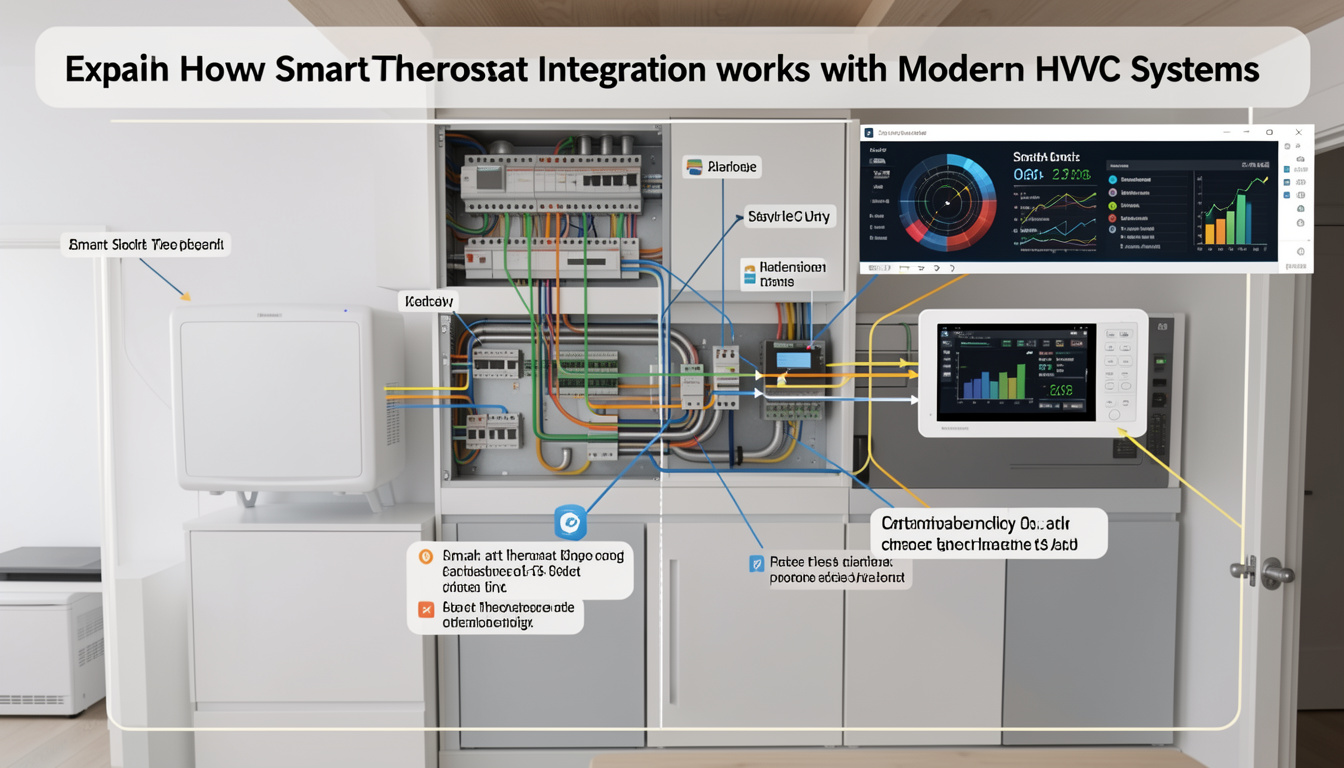
Smart thermostats have become common, yet many homes still fail to get consistent comfort because the thermostat is not matched to the HVAC system it controls. Modern equipment often uses staging, variable-speed blowers, heat pump logic, and humidity features that rely on proper wiring and configuration. When a thermostat is installed as a basic on/off switch, the system can short-cycle, run noisier than expected, or miss opportunities to manage humidity and airflow smoothly. Integration is more than mounting a device on the wall. It includes confirming equipment compatibility, selecting the right control strategy, and tuning settings so the thermostat and HVAC system communicate to support comfort and efficiency. A well-integrated setup can reduce temperature swings, improve run time behavior, and make system performance easier to monitor over time.
Matching controls to equipment
- Compatibility checks and wiring fundamentals
The first step in smart thermostat integration is confirming what the HVAC system actually needs for control. Many modern furnaces and air handlers support multiple stages of heating and cooling, while heat pumps add reversing valve control and sometimes auxiliary heat staging. Variable-speed blowers may have control logic that can be handled by the thermostat or the equipment control board, depending on the design. Before installation, it helps to identify the equipment type, the number of stages, and whether there are accessories such as a humidifier, dehumidifier, ventilation control, or zoning. Wiring is where many integrations fail. Some thermostats require a common wire for consistent power, and homes without one may experience dropouts or random reboots that appear to be equipment issues. Correctly labeling wires, confirming terminal functions, and checking for splices behind the wall can prevent miswiring that causes erratic behavior. Heat pumps require careful setup because reversing valve settings vary by brand and must be configured correctly; otherwise, the system may heat when it should cool. Thermostats also need the correct equipment profile so they apply proper cycle rates and staging timing. If the thermostat assumes a single-stage system but the equipment is two-stage, it may run inefficiently and cause larger temperature swings. Taking time for compatibility and wiring fundamentals prevents the most common problems that lead to comfort complaints after a thermostat upgrade.
- Staging, humidity features, and real-world comfort tuning
Modern HVAC systems often perform better when they run longer at lower output, especially two-stage and variable speed setups. A smart thermostat can support that behavior by using longer minimum run times, tighter staging logic, and gentle temperature adjustments that avoid frequent start-and-stop cycles. This is where settings matter more than the thermostat brand. Staging thresholds should be tuned so the system spends more time in the low stage during mild weather and steps up only when needed. This reduces noise and helps indoor temperatures feel steadier. Humidity integration is another advantage when configured correctly. Some thermostats can prevent overcooling during dehumidification, adjust fan speed targets, or coordinate with a whole-home dehumidifier. These options can help homes feel more comfortable at slightly higher temperature settings by controlling humidity. However, humidity features must be used carefully. Overcooling too aggressively can cause discomfort, and running the fan continuously can re-evaporate moisture from the coil in humid climates if not configured correctly. Homeowners working with HVAC Contractor Sebastian often discover that smart thermostat success comes from tuning stages and humidity behavior to match the home rather than leaving factory defaults. Comfort tuning also includes learning how the thermostat senses temperature. Placement near a draft, in direct sun, or near a kitchen can cause frequent cycling. Remote sensors can help by averaging temperatures across key rooms. Still, they should be placed thoughtfully so the system responds to occupied zones rather than hallways that do not represent comfort needs.
- Integration with variable speed blowers, zoning, and ventilation
Many modern systems include variable-speed blowers that can support quieter airflow and more even room temperatures, but only when the control strategy is coordinated. Some setups allow the thermostat to command fan behavior directly, while others rely on the air handler control board to manage airflow based on staging. If these roles conflict, the system can feel inconsistent, such as a blower ramping unexpectedly or airflow feeling too strong during certain cycles. Zoning adds another layer. If the home has dampers and a zone control panel, the smart thermostat must be compatible with the zoning system, and staging must be coordinated so pressure does not rise when only one zone is calling. Improper zoning integration can lead to high static pressure, noise, and equipment stress. Ventilation integration is also becoming more common in tighter homes. Some thermostats can control a fresh-air damper or coordinate timed ventilation cycles, helping indoor air feel less stale without relying on random window openings. This requires balancing, as ventilation can bring in humidity and outdoor particles if not filtered and timed appropriately. When the thermostat integrates with the broader HVAC ecosystem, the home benefits from smoother airflow, better mixing, and improved indoor comfort. The key is to view the thermostat as part of a system that includes ducts, returns, and air-quality accessories, rather than a standalone gadget.
Smart integration improves comfort long-term.
Smart thermostat integration with modern HVAC systems works when compatibility, wiring, and configuration match how the equipment is designed to operate. Proper setup supports staging behavior that reduces temperature swings and encourages longer, steadier run cycles. Humidity and fan settings can improve comfort when tuned carefully, especially in homes with sticky indoor air. Integration becomes more complex with variable-speed blowers, zoning panels, and ventilation controls, so coordination among components is essential. Monitoring tools and alerts add value by revealing runtime patterns and supporting earlier maintenance decisions. When the thermostat is treated as a system control rather than a simple switch, homeowners gain steadier comfort, clearer performance insights, and a more reliable HVAC experience year-round.