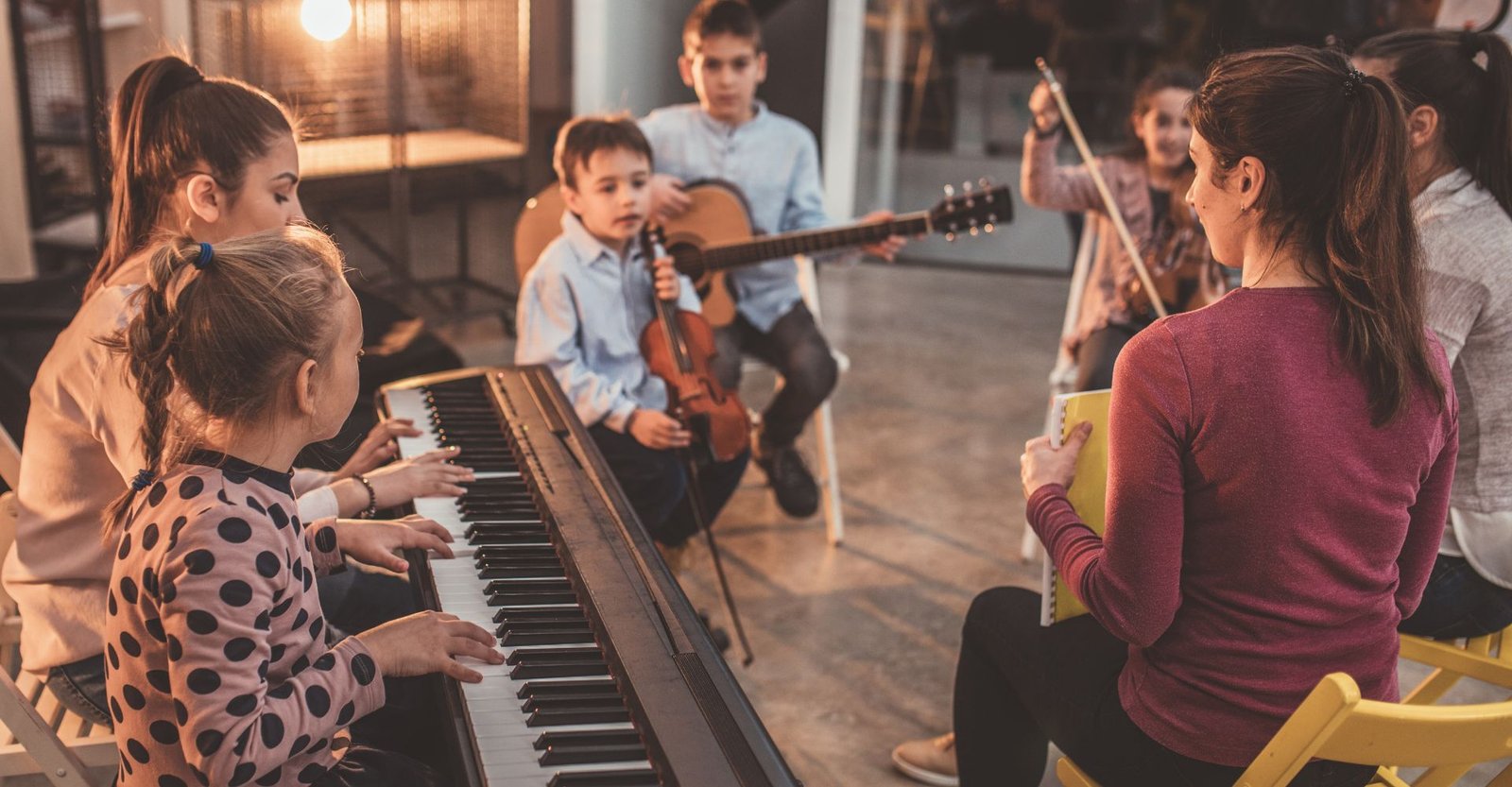
Music lessons often begin with curiosity but develop into something much deeper over time. For many learners, the first encounter with an instrument or vocal training opens a door to creativity, discipline, and emotional expression. Music is not only about producing sound; it is about understanding rhythm, structure, and feeling, all working together. Lessons provide a guided environment in which learners can gradually explore these elements, building confidence with each session. Whether initiated in childhood or adulthood, music lessons foster patience and focus while providing a rewarding outlet beyond daily routines. Over time, consistent instruction helps learners connect technique with personal expression, transforming practice into a meaningful and lasting part of life.
How Music Learning Develops Over Time
- Building Foundations Through Guided Practice
The early stages of music lessons emphasize building a strong foundation. Learners are introduced to posture, hand positioning, breathing techniques, or basic rhythm depending on the instrument or vocal focus. These fundamentals may seem simple, but they shape how comfortably and effectively a person will play or sing in the future. Structured lessons help learners avoid habits that could limit progress later on. Teachers guide students through a series of gradual challenges, ensuring that each new concept builds logically on the previous one. This steady approach creates a sense of direction and prevents frustration. Over time, learners begin to recognize patterns in music, which strengthens both technical ability and overall understanding.
- Developing Consistency and Personal Discipline
As lessons continue, music learning becomes closely tied to routine and consistency. Progress depends not only on lesson time but also on regular practice between sessions. This process teaches learners to manage time, set short-term goals, and evaluate their progress. Many students find that this discipline extends beyond music into other areas of life. In our music lessons, structured guidance helps learners maintain momentum even when progress feels slow. This balance between instruction and independent practice helps students take ownership of their learning, building confidence through persistence rather than quick results.
- Expression and Emotional Connection in Music Study
Beyond technique, music lessons encourage emotional awareness and expression. As learners grow more comfortable with their instrument or voice, they begin to explore dynamics, phrasing, and interpretation. Music serves as a means of communicating feelings that may be difficult to express through words alone. Teachers often guide students to listen closely to how sound changes with intention, helping them connect emotion with technique. This process deepens appreciation for music as an art form rather than a mechanical skill. Over time, learners discover their own musical identity, shaped by personal taste, experience, and emotional response to sound.
- Focused Insight on Learning at Any Age
Music lessons are not limited to a specific age group, and adults often approach learning with different motivations than children. This short paragraph highlights how adult learners bring patience, life experience, and clear goals to their studies. While progress may proceed at a different pace, the satisfaction derived from learning music later in life can be deeply fulfilling. Age does not limit musical growth; commitment and curiosity matter far more.
- The Role of Feedback and Adaptation
Ongoing feedback plays a central role in effective music lessons. Teachers listen carefully to tone, timing, and expression, offering adjustments that help learners refine their skills. This feedback is not about correction alone but about adaptation. Each learner responds differently to instruction, and lessons evolve to match individual learning styles. Some students benefit from visual explanations, while others respond more strongly to listening and repetition. This adaptive process helps maintain engagement and ensures that challenges remain appropriate. Over time, learners become more self-aware, developing the ability to identify and correct issues independently.
- Long-Term Benefits Beyond Musical Skill
The impact of music lessons often extends far beyond the ability to play an instrument or sing confidently. Learners frequently develop improved listening skills, stronger memory, and greater focus. Music study also encourages resilience, as progress involves overcoming mistakes and plateaus. Performing for others, whether informally or on stage, builds confidence and presence. These experiences shape personal growth in subtle but lasting ways. Music lessons become a space where learners practice patience, creativity, and self-expression, qualities that enrich many aspects of life.
Music lessons offer more than technical instruction; they provide a framework for growth, expression, and personal connection. Through consistent practice, guided feedback, and emotional exploration, learners develop skills that resonate well beyond the practice room. The journey involves patience and effort, but the rewards include confidence, creativity, and a deeper appreciation for music’s role in human experience. Whether pursued casually or with long-term commitment, music lessons support lifelong learning and self-discovery. Over time, they become not just an activity, but a meaningful investment in personal enrichment and expressive freedom.