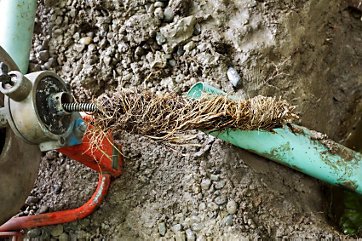
Tree roots are a common but often overlooked cause of residential plumbing problems, especially in older neighborhoods where mature trees grow close to underground pipe networks. Roots naturally seek out moisture and nutrients, and even the smallest crack in a sewer or drain line can attract them over time. Once inside, roots can expand, trap debris, and restrict water flow, leading to slow drains, backups, and even pipe collapse. Addressing these issues requires a careful balance between protecting the plumbing system and preserving the surrounding landscape. Modern plumbing approaches focus on accurate diagnosis, controlled root removal, and long-term prevention rather than temporary fixes. Understanding how plumbers handle root-related plumbing damage helps homeowners make informed decisions before minor issues turn into costly repairs.
Understanding Root-Related Plumbing Solutions
- How Tree Roots Infiltrate Underground Plumbing Systems
Tree roots typically enter plumbing systems through small defects that develop as pipes age or shift in the soil. Older clay or cast-iron pipes are particularly vulnerable because joints can loosen and materials can become brittle over time. Once roots detect moisture leaking from these weak points, they slowly grow toward the source. As the roots thicken, they widen cracks and joints, allowing more roots to enter and accelerating the damage. This process does not happen overnight, which is why early symptoms such as gurgling drains or recurring clogs are often ignored. Plumbers assess how long the intrusion has been developing by evaluating blockage severity, pipe material, and soil conditions. In many cases, homeowners search for a plumber near me when recurring drain problems indicate a deeper underground issue affecting the entire system rather than a single fixture.
- Diagnostic Methods Plumbers Use to Locate Root Intrusions
Accurate diagnosis is essential when addressing root-related plumbing issues, as blind digging can cause unnecessary disruption and expense. Plumbers commonly rely on sewer camera inspections to view the inside of underground pipes in real time. These cameras reveal the exact location of root growth, the extent of pipe damage, and whether the intrusion is isolated or widespread. This visual confirmation helps determine whether the issue can be resolved through internal cleaning or requires structural repairs. In addition to camera inspections, plumbers consider drainage patterns, pipe age, and the type of trees planted nearby. Certain species with aggressive root systems are more likely to cause recurring problems. By combining visual data with environmental factors, plumbers can recommend solutions that address both the current blockage and the conditions that allowed roots to enter in the first place.
- Mechanical and Water-Based Root Removal Techniques
Once root intrusion is confirmed, plumbers choose a removal method based on pipe condition and root density. Mechanical root cutting uses specialized rotating blades to break roots apart inside the pipe without damaging the pipe walls, provided the procedure is performed correctly. This method is effective for clearing immediate blockages and restoring water flow. In cases where debris and grease have built up around the roots, high-pressure water jetting may be used to flush the system thoroughly. Water-based cleaning not only removes root fragments but also clears residue that could attract future growth. These approaches are often combined to achieve a more complete cleaning. While root removal restores functionality, plumbers emphasize that it is not a permanent fix if underlying pipe vulnerabilities remain unaddressed.
- Pipe Repair and Replacement Options After Root Damage
After the roots are removed, plumbers assess whether the pipe structure can continue to function safely. Minor cracks or joint separations can be repaired using trenchless methods, such as pipe lining, which involves inserting a resin-coated liner that hardens within the existing pipe. This creates a smooth, sealed interior surface that prevents roots from re-entering. In cases of severe damage, partial or full pipe replacement may be necessary. Trenchless pipe bursting allows plumbers to replace damaged sections with minimal excavation by breaking the old pipe outward while pulling a new pipe into place. These modern repair methods reduce landscape disruption and provide long-term protection against future root intrusion, making them a practical option for properties with extensive underground piping.
- Preventive Strategies to Reduce Future Root Intrusion
Preventing root-related plumbing issues involves both plumbing maintenance and landscaping awareness. Plumbers often recommend regular inspections for homes with mature trees near sewer lines, as early detection can prevent major damage. Installing root barriers between trees and underground pipes can redirect growth away from vulnerable areas. Chemical root inhibitors may also be applied in controlled amounts to suppress regrowth without harming the tree. Additionally, replacing outdated pipe materials with modern, jointless alternatives significantly reduces root ingress points. These preventive measures are most effective when implemented proactively rather than after repeated blockages occur. By addressing the cause rather than just the symptoms, homeowners can extend the lifespan of their plumbing systems.
- Long-Term Maintenance and Monitoring for Root-Prone Properties
Properties in areas with dense vegetation require ongoing maintenance even after repairs are complete. Plumbers often recommend maintenance schedules that include periodic camera inspections and drain cleaning to ensure roots have not recurred. Monitoring water flow consistency and responding quickly to unusual drainage behavior can prevent small issues from escalating. Long-term solutions focus on maintaining pipe integrity while accommodating the natural growth patterns of surrounding trees. This balanced approach reduces emergency repairs and helps homeowners manage costs more predictably. Consistent monitoring also provides peace of mind, knowing that underground systems remain functional despite challenging environmental conditions.
Tree root intrusion is a gradual but serious plumbing concern that requires thoughtful, well-planned solutions. From precise diagnostics to targeted removal and durable repairs, plumbers address these issues by combining technology with practical experience. The goal is not only to restore proper drainage but also to protect pipes from future damage caused by nearby vegetation. Preventive strategies and regular maintenance are crucial for minimizing recurring problems, especially in landscapes with mature trees. By understanding how plumbers handle root-related plumbing challenges, homeowners can take timely action, preserve their property, and maintain reliable plumbing systems for years to come.